

John Ternus Leads Apple: The September 9 Test and the Future of AI
September 2, 2026
PlayStation Boycott: Is Sony Losing Gamers’ Trust Over Digital Games?
September 2, 2026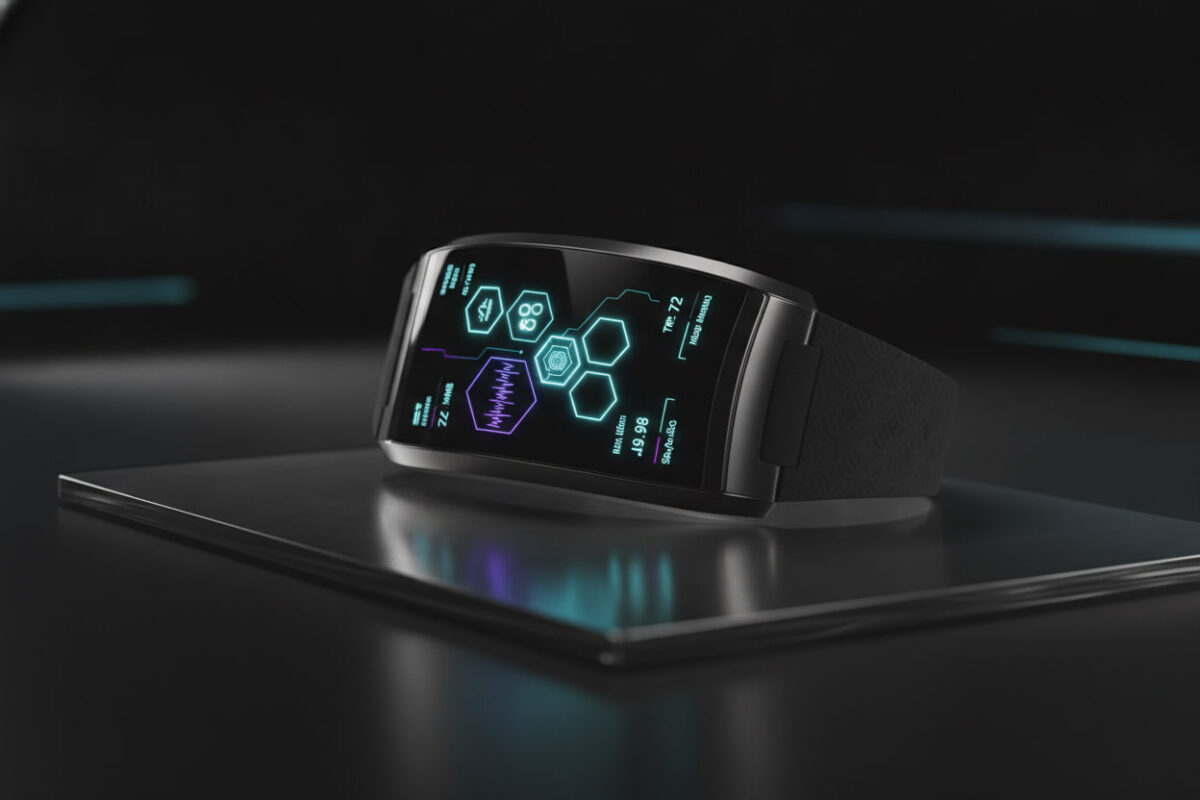
Apple is delaying the biggest planned redesign for the Apple Watch. This move reflects the company’s traditional philosophy. Apple avoids launching new hardware before it reaches strict maturity standards.
Users have grown accustomed to annual incremental upgrades. These routine updates usually focus on battery life, chip speed, and wellness sensors. However, recent reports indicate that a radical transformation will not arrive as quickly as markets anticipated.
This postponement occurs amid fierce competition from rivals like Samsung and Google. Both competitors continue to expand their artificial intelligence and fitness features. Consequently, the next step remains crucial for the American tech giant.
Bigger Changes Than a Routine Apple Watch Update
Over recent years, the Apple Watch has retained a consistent physical footprint. Apple focused mainly on subtle refinements. These included brighter displays, faster silicon, and incremental biometric tracking.
However, recent reports from Bloomberg Technology reveal deeper ongoing research. Engineers are redesigning core internal architecture and next-generation screen technologies. Yet, these ambitious plans require additional development time before commercial rollout.
Industry analysts emphasize that Apple prefers patience over releasing half-baked hardware. The company has historically maintained this cautious approach across multiple flagship product lines.
Technical Challenges Behind the Apple Watch Delay
Engineering a modern smartwatch requires balancing delicate hardware compromises. Adding sophisticated capabilities is never simple. Key engineering hurdles include:
- Maintaining a lightweight, compact case profile.
- Improving overall battery autonomy significantly.
- Enhancing biometric sensor accuracy for medical certification.
- Optimizing thermal dissipation, internal/external links, and meta elements).
Longer Wait for Apple Fans: Major Apple Watch Redesign Delayed
By ADNOVA Editorial Team
Estimated Read Time: 5 mins
Platform: ADNOVA.ART
Apple is delaying the biggest planned redesign for the Apple Watch. This move reflects the company’s traditional philosophy. Apple avoids launching new hardware before it reaches strict maturity standards.
Users have grown accustomed to annual incremental upgrades. These routine updates usually focus on battery life, chip speed, and wellness sensors. However, recent reports indicate that a radical transformation will not arrive as quickly as markets anticipated.
This postponement occurs amid fierce competition from rivals like Samsung and Google. Both competitors continue to expand their artificial intelligence and fitness features. Consequently, the next step remains crucial for the American tech giant.
Bigger Changes Than a Routine Apple Watch Update
Over recent years, the Apple Watch has retained a consistent physical footprint. Apple focused mainly on subtle refinements. These included brighter displays, faster silicon, and incremental biometric tracking.
However, recent reports from Bloomberg Technology reveal deeper ongoing research. Engineers are redesigning core internal architecture and next-generation screen technologies. Yet, these ambitious plans require additional development time before commercial rollout.
Industry analysts emphasize that Apple prefers patience over releasing half-baked hardware. The company has historically maintained this cautious approach across multiple flagship product lines.
Technical Challenges Behind the Apple Watch Delay
Engineering a modern smartwatch requires balancing delicate hardware compromises. Adding sophisticated capabilities is never simple. Key engineering hurdles include:
- Maintaining a lightweight, compact case profile.
- Improving overall battery autonomy significantly.
- Enhancing biometric sensor accuracy for medical certification.
- Optimizing thermal dissipation and power efficiency.
- Preserving robust water resistance and exterior durability.
Previous supply chain reports revealed that Apple paused an internal microLED display initiative. The project faced extreme production costs and complex fabrication bottlenecks. This setback demonstrates the immense challenges in wearable hardware engineering analyzed on ADNOVA.
Health Monitoring Remains the Apple Watch Priority
Health, dependable consumer hardware upon official debut.
What This Delay Means for Apple Watch Users
For everyday consumers, this development does not signal a halt in progress. Apple will continue delivering steady watchOS software refinements alongside modest hardware updates.
Meanwhile, the revolutionary Companies must secure strict regulatory clearances across multiple international health agencies. This lengthy compliance process explains why certain rumored features take years to arrive.
Apple refuses to compromise diagnostic accuracy. Any measurement discrepancy could compromise user trust and create regulatory liabilities. Therefore, advanced health innovations will take longer to appear in upcoming devices.
Artificial Intelligence Sets New Demands for Apple Watch
With the expansion of Apple Intelligence, attention is shifting toward on-device artificial intelligence. Yet running demanding neural models on compact wearable hardware poses serious thermal and power constraints.
Smartwatches rely on strictly limited battery capacities. As a result, Apple will likely distribute heavy computational workloads between the watch, paired iPhones, and private cloud servers.
Engineers are delaying complex AI integrations until more efficient ultra-low-power silicon becomes available.
Competition Continues to Accelerate
Rival manufacturers are aggressively advancing their wearable product lines. Competitors are heavily investing in AI sleep coaching, metabolic insights, and sports analytics.
Despite this pressure, the Apple Watch maintains strong market dominance. Its success relies on seamless software integration, intuitive user experiences, and multi-year operating system support.
A temporary delay gives competitors room to showcase new ideas. Nevertheless, it grants Apple necessary runway to deliver a much more refined leap forward.
Apple Philosophy: Polish Over Speed
Apple’s history proves that executive leadership will delay hardware if quality metrics fall short. The company has previously restructured ambitious roadmaps whenever technical or economic roadblocks emerged.
Critics may view this calculated pace as cautious. However, it consistently yields stable, dependable consumer hardware upon official debut.
What This Delay Means for Apple Watch Users
For everyday consumers, this development does not signal a halt in progress. Apple will continue delivering steady watchOS software refinements alongside modest hardware updates.
Meanwhile, the revolutionary breakthrough—featuring revamped industrial aesthetics, breakthrough health sensors, and expanded AI—will simply require more patient waiting.
Ultimately, wearable innovation is no longer about racing to announce unfinished features. It centers on delivering reliable, secure, and practical daily utility. While Text:** Apple Watch display showing futuristic health and AI features
