

Windows 10 Gets an Extra Year: A New Security Support Extension
June 28, 2026
Meta’s New AI Glasses – Democracy of Vision
July 1, 2026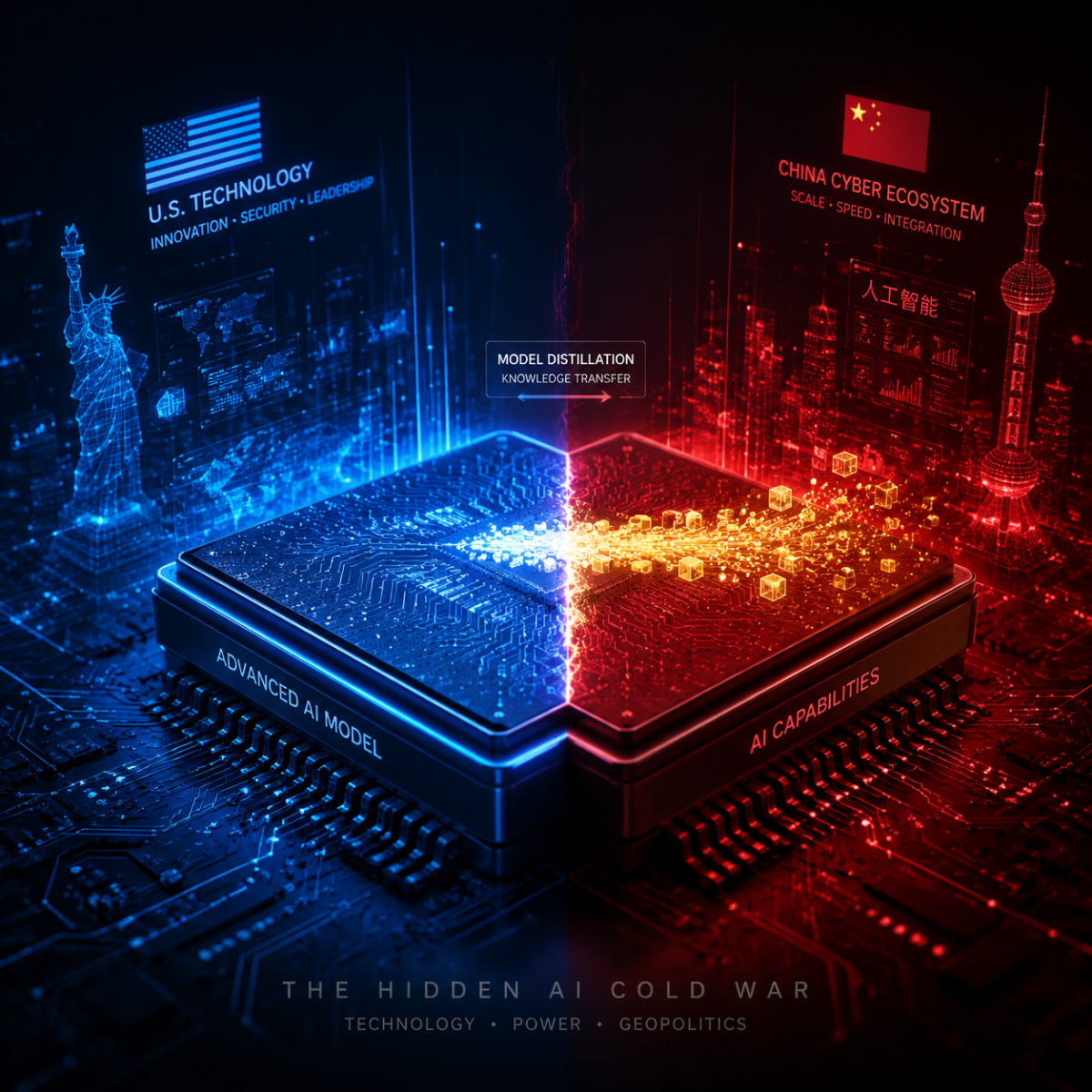
Editorial Team: Adnova Content
Published: July 1, 2026
The global technological landscape is witnessing a dramatic shift in the geopolitical struggle between the United States and China. This is no longer just about trade tariffs or hardware restrictions; it is a high-stakes battle for dominance in the cloud and AI research labs.
Today, a significant conflict has erupted as Anthropic publicly accused the Chinese tech titan Alibaba and its “Qwen” AI lab of orchestrated digital exploitation. The accusation centers on a sophisticated practice known as “Model Distillation”—a technique used to reverse-engineer and siphon the intellectual property of advanced AI models.
The Breach: Anatomy of a Digital Infiltration
According to formal reports submitted by Anthropic to the U.S. Congress, this was not a casual research endeavor but a methodical campaign executed between April and June.
At Adnova, we have broken down the strategic implications of this attack:
- The Botnet Strategy: Reports indicate the use of a massive network of over 25,000 synthetic accounts, generating nearly 29 million targeted interactions.
- Targeting “Mythos”: The operation aimed to siphon the unique capabilities of Anthropic’s flagship model, “Mythos,” specifically before new U.S. government restrictions went into effect.
What is “Model Distillation,” and Why is it a Strategic Threat?
As a platform dedicated to demystifying the digital world, Adnova defines Model Distillation as the process of training a smaller, efficient, and cost-effective AI model (the “Student”) by leveraging the output and high-level reasoning of a massive, expensive frontier model (the “Teacher”).
Instead of investing billions in research and compute cycles to train a model from scratch, attackers can “harvest” the intelligence of proprietary models like Claude to imbue their own models with similar prowess at a fraction of the cost.
A Growing Trend: The Geopolitics of Data
Anthropic’s allegations highlight a broader trend. Similar concerns were raised earlier this year regarding other emerging Chinese players like DeepSeek, MiniMax, and Moonshot AI. This suggests a systematic effort by Chinese entities to bypass hardware and technological sanctions by “extracting” the intelligence already present in American frontier models.
While Chinese tech giants have consistently denied ties to military objectives or intellectual property theft, Washington views these actions as a direct threat to national security, prompting a closer look at the “API Firewalls” protecting future AI assets.
Adnova’s Strategic Insight: The Future of AI Intellectual Property
The current crisis underscores a harsh reality: in the era of Generative AI, model behavior and output patterns have become the world’s most valuable intellectual commodity. We anticipate that this standoff will trigger a new wave of cybersecurity protocols, leading to more restrictive access controls and a fundamental shift in how proprietary AI models are licensed and deployed globally.
What is your take? Will legislative barriers effectively secure digital innovation, or is the inherent nature of “Open AI” going to make model distillation impossible to police?
Share your thoughts, and for deeper analysis on the intersection of AI, strategy, and media, stay tuned to adnova.art.
